 Guitar dealer · since 2018
 1 / 13
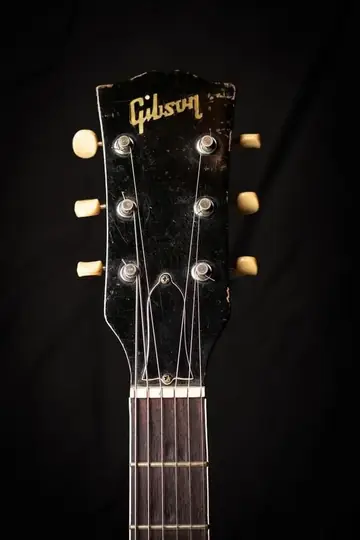

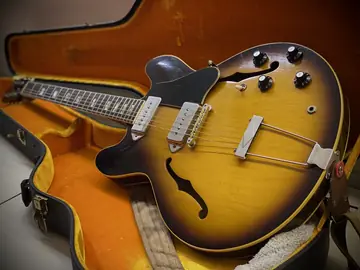
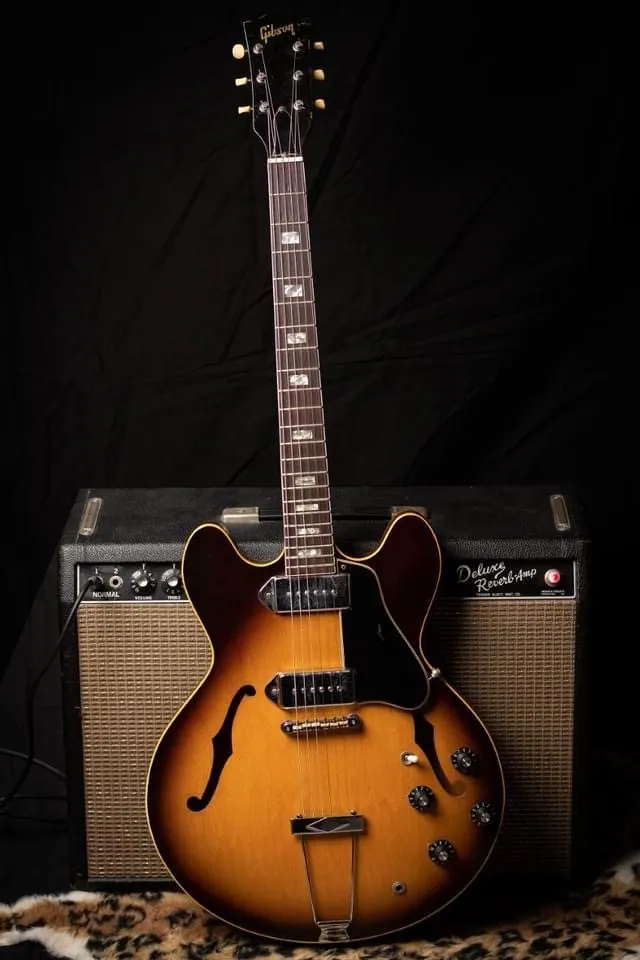
Gibson 1968 ES-330 Long Neck
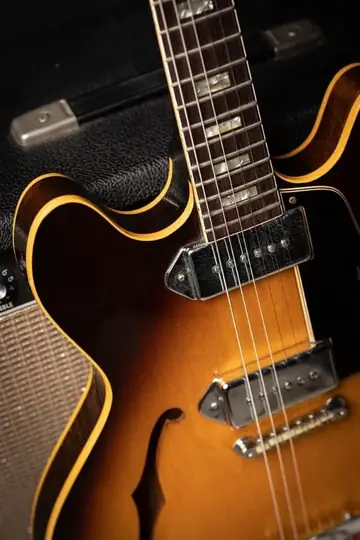
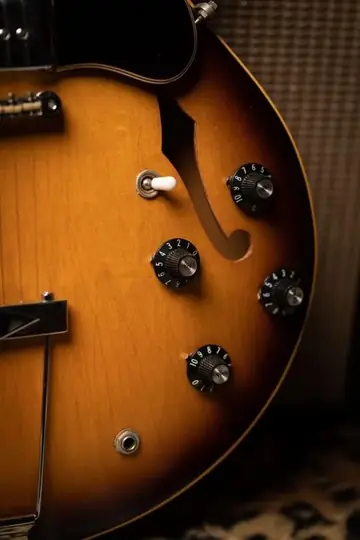
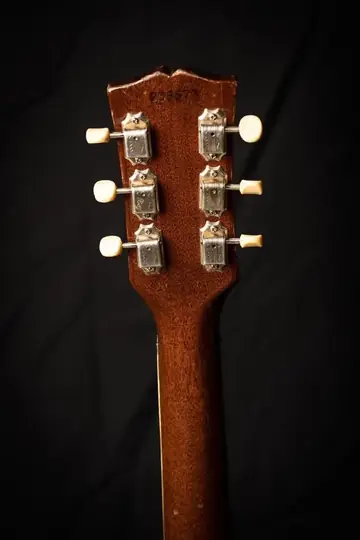
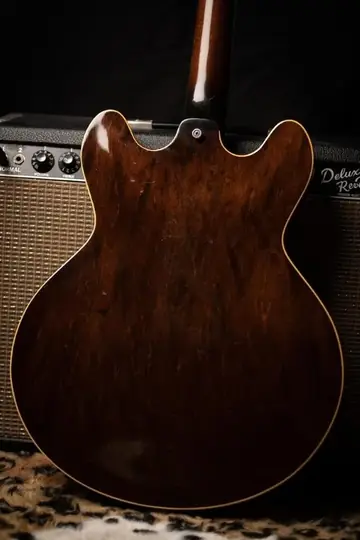
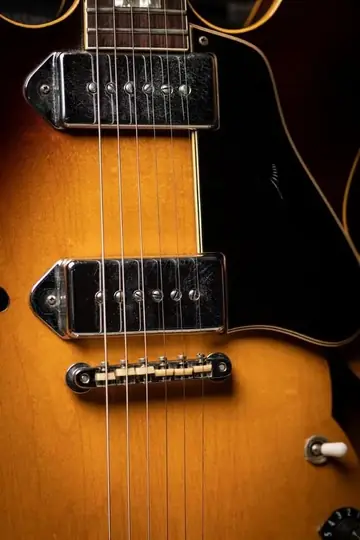
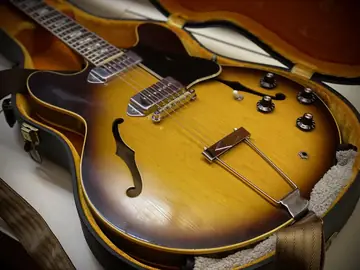
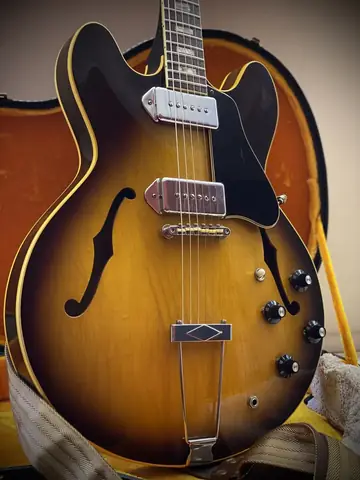
Original 1968 ES-330 long neck · fully hollow · 2× P-90 · vintage sunburst
| Model | Gibson ES-330 (long neck) |
|---|---|
| Year | 1968 (vintage) |
| Construction | Fully hollow body (no sustain block) |
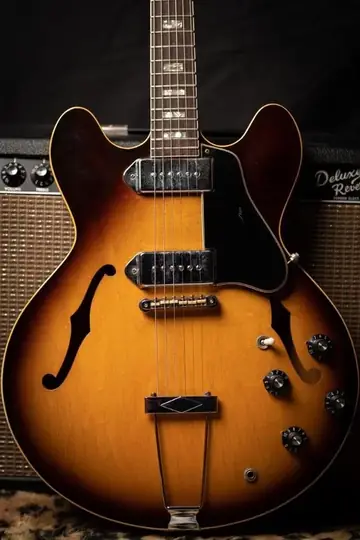
| Pickups | 2× P-90 |
| Finish | Vintage sunburst |
| Special feature | Long-neck joint at the 16th fret |
| Top & back | Laminated maple |
The ES-330 gets mistaken for the ES-335 endlessly, but they're two completely different guitars. The difference is inside: where the 335 has a solid sustain block down the middle, the 330 is entirely hollow. And instead of humbuckers there are two P-90s. The result is an instrument with a character all its own — you can't replace one with a 335, or the other way round.
A genuinely hollow guitar sounds different. It's airier, woodier, more alive, and it has that slight unpredictability you either love or fear. It reacts to the room, you feel it moving against you, and at higher volumes it develops a life of its own that whole generations of blues and rock players turned into a tool. Anyone who has heard a guitar like this start to sing on the edge of feedback knows what we mean.
The two P-90s are the perfect partner for this construction. They give more bite and transparency than humbuckers and let the hollow body breathe. At the neck you get a warm, almost jazzy tone with plenty of air; at the bridge it turns raspy and wiry; and together they produce that characteristic, slightly growling midrange that holds its own in any band.
One important detail on this example is the long-neck joint. Early ES-330s join the neck at the 16th fret, which restricts access to the top considerably. From the mid-sixties Gibson moved to the later joint, and that version is noticeably more sought after, because it makes the instrument more playable without changing its character.
Then there's the vintage substance. Nearly sixty-year-old, dried-out timber moves faster and more openly, and the sunburst has developed exactly the patina over the decades that no amount of ageing reproduces.
A vintage ES-330 with plenty of mojo, from Ede's Private Stock.